There's a quiet frustration that a lot of women share but rarely say out loud.
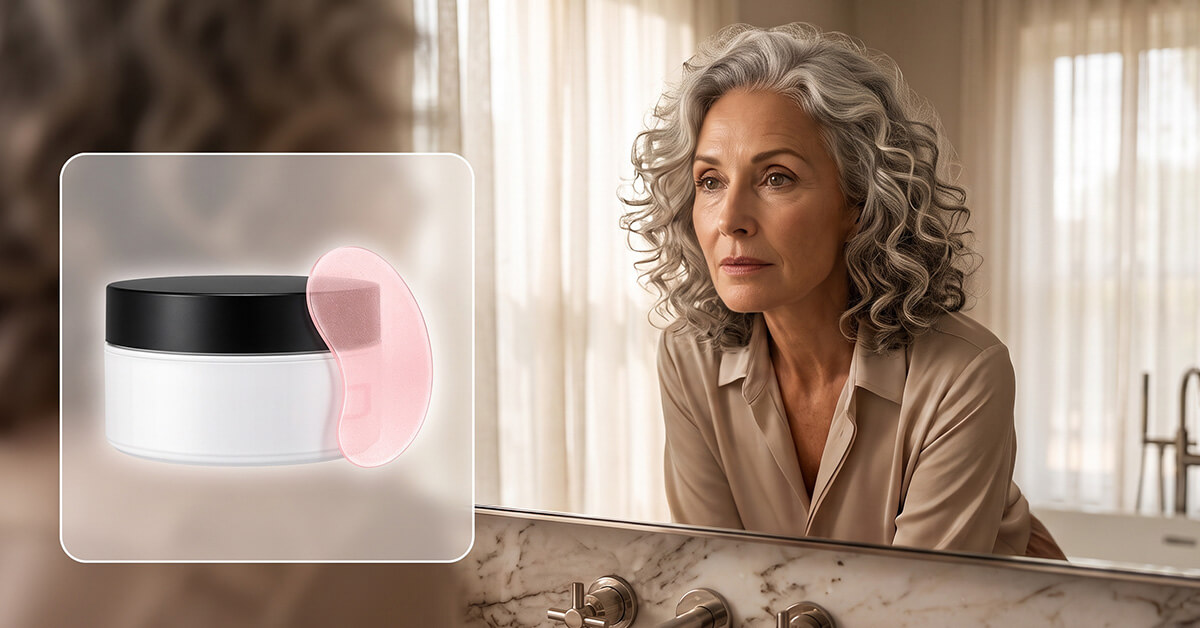
You've bought the eye cream. Maybe several. You've dabbed it on faithfully, morning and night, the way the jar told you to. And weeks later, standing in the same bathroom light, you're looking at the same tired eyes.
It's easy to assume the problem is you. That your skin is just "past it," or that you didn't stay consistent enough, or that the good stuff is reserved for people with more time and better genes.
But over the past few years, a different explanation has started to surface — and it has almost nothing to do with willpower or ingredients.
It Was Never About the Formula
Here's something most people don't know: the ingredients in most eye creams are perfectly capable of working. Peptides, hyaluronic acid, niacinamide — these aren't gimmicks. They've been studied for years.
The problem isn't what's in the cream.
The problem is that most of it never actually gets into your skin.
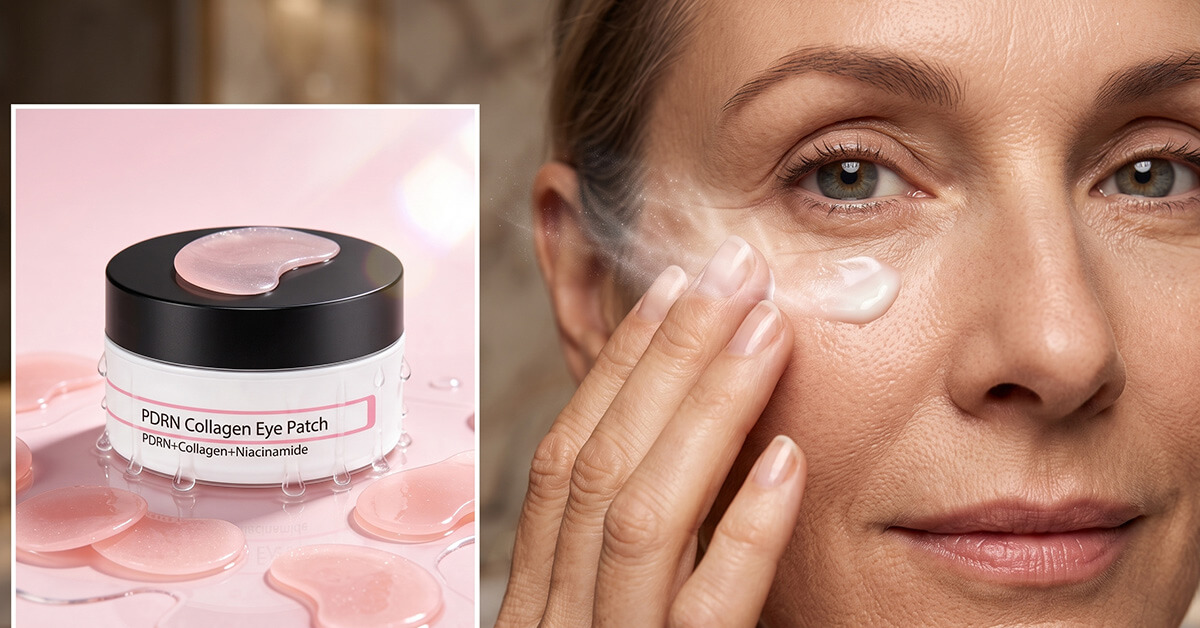
When you smooth a cream over your under-eye, a large share of it simply sits on the surface and evaporates into the air within minutes. The delicate active ingredients you paid for are gone before they've had a real chance to absorb. You did everything right. The delivery let you down.
Once you understand this, a lot of small disappointments start to make sense. The cream that felt nice but changed nothing. The serum that promised results "in four weeks" and delivered them in exactly never. It explains itself.
The Hidden Variable: How the Ingredients Stay In
This is where a newer idea comes in, and it's one that skin specialists have understood for a while: what holds an ingredient against the skin matters as much as the ingredient itself.
The technical name for it is occlusion — creating a seal so the actives are pressed into the skin and given time to absorb, rather than drifting off. It's the reason a treatment left on for ten uninterrupted minutes can outperform a cream you rub in and rush out the door on.
You've probably already found products you like. This isn't about replacing them. It's about the one thing they were quietly missing — a way to actually stay put long enough to work.
A New Category, Not Just a New Product
This realization has given rise to a whole category of hydrogel eye patches — soft, cooling gel pieces that sit under the eye and hold their ingredients in place for the full session.
The better ones do three things at once. They use a stay-put hydrogel that hugs the skin without sliding around, so nothing evaporates and nothing goes to waste. They carry ingredients chosen for real under-eye concerns — caffeine and adenosine to calm puffiness, niacinamide to gradually soften the look of dark circles. And a handful now include PDRN, an ingredient long used in Korean dermatology that does something creams rarely attempt: it signals the skin to build new collagen, rather than simply sitting on top of it.
That last distinction is worth pausing on. Most products cover the signs of aging. This approach quietly encourages the skin to rebuild — firming, brightening, and regenerating instead of masking.
So What Should You Actually Do?
If you've read this far, you're probably wondering what a good version of this looks like in practice.
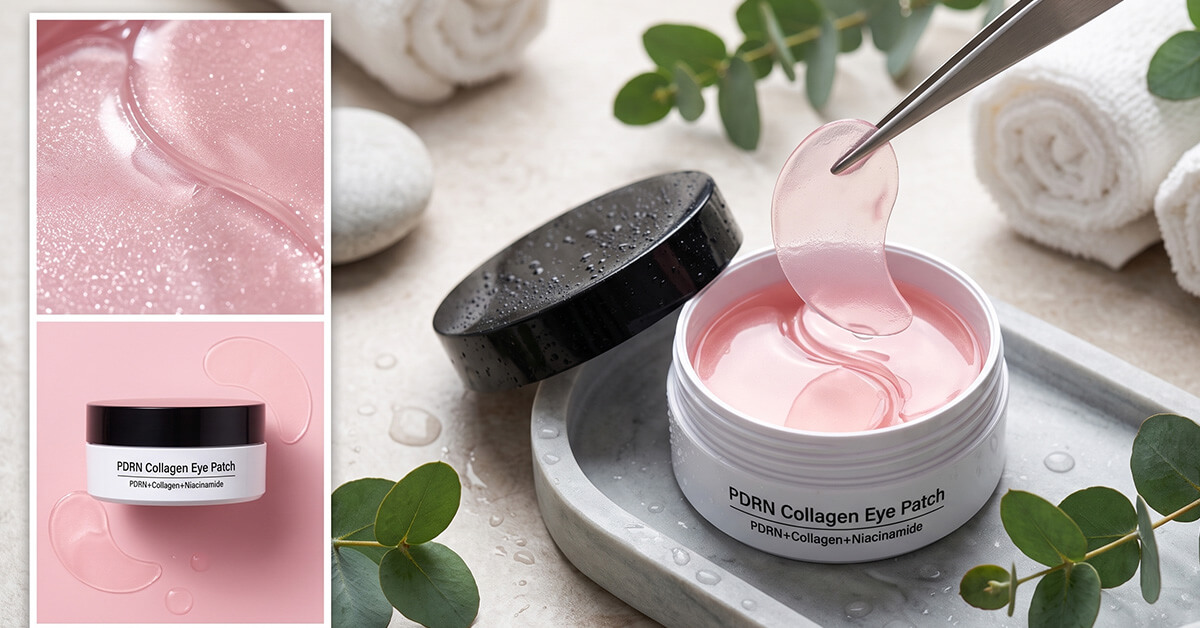
One example of this newer approach is a set called MagicPatches — hydrogel under-eye patches built around exactly the idea above. They combine PDRN, collagen peptides, and niacinamide in a stay-put gel that holds everything against the skin for about ten minutes.
The appeal isn't a laundry list of ingredients. It's what those ten minutes feel like, and what you see afterward.
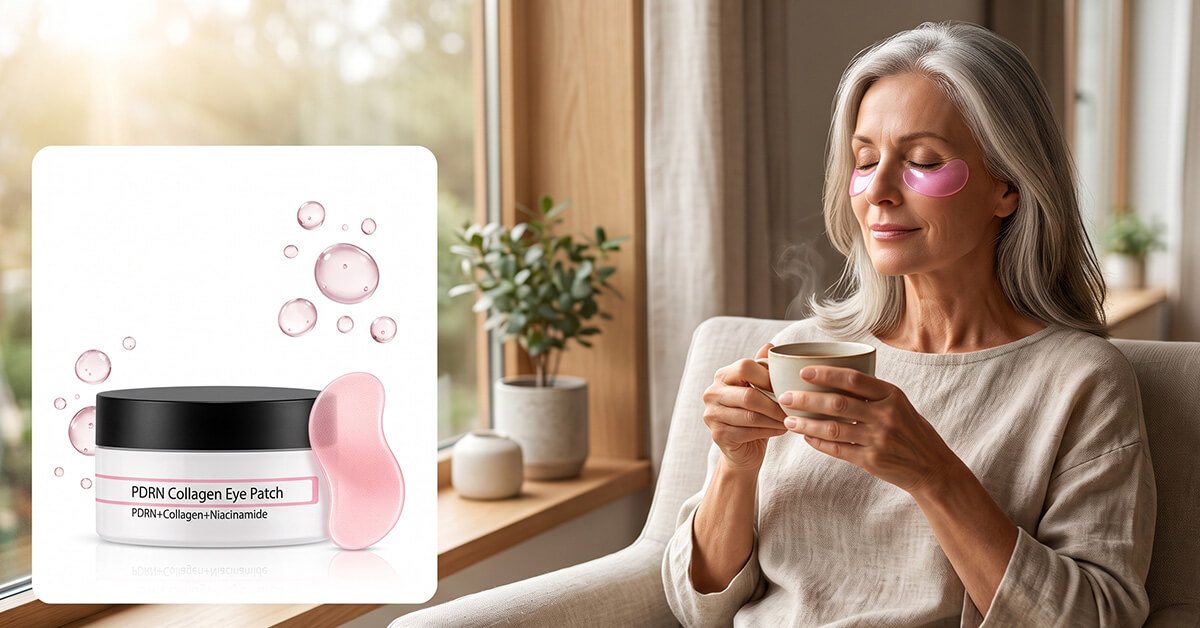
"I never have time for a routine." You don't need one. You apply the patches, and for the next ten minutes you can make coffee, read, or simply sit. When you peel them off, your under-eyes look brighter and less puffy — before you've even reached for concealer.
"Patches always slide off my face." This was the number-one frustration with older versions, and it's the specific thing the stay-put hydrogel was designed to fix. It stays comfortably in place even while you move around.
"My skin is sensitive." They're fragrance-free and dermatologist-tested, and many people with reactive skin use them without irritation.
There's a small ritual a lot of users adopt, too: keeping the jar in the fridge. The cool gel against tired eyes in the morning feels less like a chore and more like a ten-minute reset — a genuine moment of calm at the start of the day.
A Quieter Kind of Confidence
The point was never to look twenty again. It's the smaller thing: catching your reflection before you head out and seeing eyes that look as rested as you'd like to feel — awake, brighter, a little more like yourself.
That's the real discovery here. Not a miracle ingredient, but a simple correction to something most of us never knew was the problem in the first place. The good stuff was always available. It just needed a way to stay long enough to work.
If that's the piece your routine has been missing, this is an easy one to try.
Click the link above to see if MagicPatches is still offering a 50% off discount.